
The process of breaking down protein starts with chewing your food. After that, the protein travels through your stomach, small intestine, and eventually enters your bloodstream. Certain foods can help improve how well your body absorbs protein.
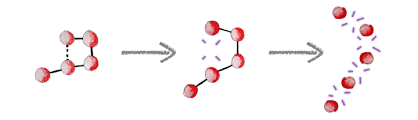
Protein is a crucial nutrient for your body. It forms the building blocks of muscles, hair, eyes, organs, as well as many hormones and enzymes. Protein also plays a key role in repairing and maintaining your body tissues.
However, not all proteins are the same, and there are ways to help your body utilize protein more effectively.
Proteins are large molecules made up of smaller units called amino acids. There are 20 amino acids in total, but your body can produce only 11 of them. The remaining nine, known as essential amino acids, must be obtained through your diet.
Complete or high-quality protein sources, like meat, fish, eggs, and dairy, contain all nine essential amino acids.
Other sources such as nuts, seeds, and beans provide only some of these essential amino acids. By combining certain plant-based foods—for example, rice and beans—you can form a complete protein that supplies all essential amino acids.
Wondering how much protein you need daily? Here’s how to calculate your actual requirement.
The Function of Enzymes in Protein Digestion
Protein digestion starts in your mouth when you begin chewing. Your saliva contains enzymes like amylase and lipase that primarily break down carbohydrates and fats, not protein.
Once the protein reaches your stomach, it encounters hydrochloric acid and enzymes called proteases, which break the protein into smaller chains of amino acids. Amino acids are linked together by peptides, which proteases break apart.
These smaller amino acid chains then move to your small intestine. Here, your pancreas secretes additional enzymes and bicarbonate, which neutralizes stomach acid.
This neutralization allows further enzymes to work on breaking the amino acid chains down into single amino acids.
Key enzymes active in this stage include:
-
Trypsin
-
Chymotrypsin
-
Carboxypeptidase
How Is Protein Absorbed?
Protein absorption takes place in the small intestine, which is lined with microvilli—tiny, finger-like projections that increase the surface area for absorption.
These structures help maximize the uptake of amino acids and other nutrients.
After absorption, amino acids enter the bloodstream, where they are transported to various cells throughout the body to support tissue repair and muscle building.
Tips to Enhance Protein Absorption
To boost your protein absorption, start by choosing complete proteins that provide all nine essential amino acids, such as:
-
Meat
-
Fish
-
Eggs
-
Dairy products
For vegetarians, complete proteins can be created by combining foods like:
| Protein Combination | Examples |
|---|---|
| Whole grains + legumes | Brown rice with lentils, pasta with kidney beans |
| Nuts + whole grains | Nut butter on whole-grain toast |
| Legumes + seeds | Hummus (chickpeas and sesame paste) |
| Vegetables + nuts | Green beans with almonds |
| Vegetables + whole grains | Broccoli with whole-grain pasta |
It was once thought that plant proteins needed to be consumed together in the same meal to form complete proteins, but research now shows your body can combine proteins from different meals throughout the day.
So, for vegetarians, eating a variety of protein sources over time is essential.
Healthy Habits to Support Protein Digestion
Beyond selecting the right protein foods, adopting certain habits can help improve how well your body processes protein:
-
Eat meals consistently throughout the day
-
Chew your food thoroughly
-
Minimize stress levels
-
Avoid intense physical activity immediately after eating
-
Limit alcohol intake
-
Manage medical conditions affecting digestion, like diabetes or liver disease
-
Consider probiotics, such as Bacillus coagulans 30, which may enhance protein absorption
-
Distribute protein intake evenly throughout the day instead of consuming it all at once
-
Maintain a regular exercise routine
In Summary
Protein is an essential nutrient involved in nearly every part of your body. It is digested starting in the mouth, continues through the stomach and small intestine, and is absorbed as individual amino acids into the bloodstream.
Maximize the nutritional benefits of protein by choosing complete protein sources and following habits like thorough chewing.
If you want to boost your protein intake, consider adding these high-protein foods to your meals!