

Trying to find trustworthy advice on eating with diabetes can be overwhelming, especially with the abundance of conflicting information online.
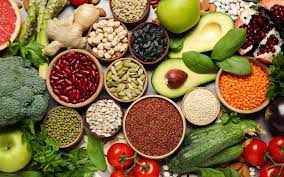
To help clear things up, we’ve broken down nine widespread misconceptions about diet and diabetes — and what the science actually says.
1. Sugar Is the Sole Cause of Diabetes
While sugar consumption plays a role in some cases, eating sugar alone isn’t what causes diabetes.
According to the American Diabetes Association (ADA), Type 1 diabetes is usually triggered when environmental factors interact with a genetic predisposition. Type 2 diabetes, on the other hand, tends to result from a mix of genetic, lifestyle, and health-related factors such as:
-
Being overweight
-
High blood pressure
-
Inactivity
-
Older age (especially over 45)
Though sugar-sweetened drinks like soda and sugary fruit beverages are linked to a higher risk of diabetes, they aren’t the only culprits. The ADA recommends limiting these drinks to help reduce overall risk.
2. All Carbs Are Bad
Carbohydrates aren’t the enemy — it’s more about the kind and amount you eat.
Low-glycemic index (GI) carbs raise blood sugar more slowly and steadily than high-GI ones. The GI of a food can vary based on how processed it is, how ripe it is, and its overall nutritional content.
Good examples of low-GI carbs include:
-
Steel-cut or rolled oats
-
Whole grain bread
-
Legumes (like beans and lentils)
-
Non-starchy vegetables like broccoli, spinach, and tomatoes
Also consider the glycemic load (GL), which factors in portion size. Even high-GI foods can be balanced by eating them with lower-GI options.
If you’re tracking carbs, stick to your individualized target. If you’re unsure of yours, a dietitian or healthcare provider can help. When using the plate method, aim for carbs to take up just one-quarter of your plate.
3. You Have to Avoid Starchy Foods
Yes, starchy foods are sources of carbohydrates, but they can still fit into a diabetes-friendly plan.
In addition to pasta, rice, and bread, starchy vegetables like potatoes, peas, corn, and lentils provide nutrients and fiber.
If you’re carb counting, be sure to include them in your daily total. When using portion control, limit starches to about one-quarter of your plate. Opt for whole, fiber-rich versions for better blood sugar control.
4. Desserts Are Off the Table Forever
Living with diabetes doesn’t mean you’ll never enjoy dessert again.
An occasional treat — in small amounts — is perfectly fine. Restricting yourself too much may actually backfire and lead to cravings or overeating later on.
The key is moderation. Keep your total carb count in mind for the day and adjust other parts of your meal accordingly. Many online recipes offer lower-carb versions of your favorite sweets.
5. Alcohol Is Completely Off-Limits
You can still enjoy an occasional drink if your diabetes is well managed.
The U.S. Dietary Guidelines suggest no more than one alcoholic beverage per day for women and two for men. A single drink equals 5 oz of wine, 12 oz of beer, or 1.5 oz of liquor.
Monitor your blood sugar for up to 24 hours after drinking, as alcohol can cause drops in blood sugar and interfere with your medication or your liver’s glucose release.
Choose options with fewer added sugars — like light beer, wine, or spirits — and limit sugary cocktails.
6. Fruit Should Be Avoided
Fruits can absolutely be part of a diabetes-conscious diet.
Whole fruits, especially those rich in fiber, may actually support blood sugar regulation and improved insulin sensitivity.
Choose lower-sugar fruits such as:
-
Berries
-
Apples
-
Grapefruit
Still, portion control is key. You can enjoy all fruits — even those with more natural sugars — if you manage serving sizes appropriately.
7. Medications Let You Eat Anything You Want
Taking medication helps, but it doesn’t give you free rein to eat however you like.
A nutrient-rich diet plays an essential role in managing blood sugar levels and reducing the risk of related complications such as high blood pressure or heart disease.
Regularly eating large portions or high-sugar foods can lessen the effectiveness of your medication and disrupt healthy habits. Focus on whole grains, lean protein, vegetables, and healthy fats to support your overall treatment plan.
8. Fat Doesn’t Matter for People with Diabetes
Fat intake still matters, especially when it comes to heart health — which is a concern for many with type 2 diabetes.
Avoid trans fats altogether, and limit foods high in saturated fats, such as:
-
Full-fat dairy
-
Fried foods
-
Fatty cuts of meat
These can raise LDL (bad) cholesterol and increase your risk for cardiovascular events. According to dietary guidelines, saturated fat should make up less than 10% of your daily calories.
9. Artificial Sweeteners Are a Safe Substitute
Just because something is labeled “sugar-free” doesn’t make it healthy.
Many sugar-free foods are still processed and may contain hidden carbohydrates, fats, or calories.
Animal studies have raised concerns about some artificial sweeteners potentially affecting insulin response, but human data is still limited. While the FDA has deemed several sweeteners safe under specific conditions (like sucralose, stevia, and aspartame), some people may still experience side effects or increased cravings.
Also, certain artificial sweeteners contain small amounts of carbs, which may affect your daily totals — so keep an eye on labels and portion sizes.
Final Thoughts
Managing diabetes doesn’t have to mean giving up your favorite foods or following a rigid plan.
Learning how to balance carbs, monitor your blood sugar, and choose healthier fats and treats in moderation can help you take control of your health.
Instead of eliminating entire food groups or fearing sugar, work with your doctor or dietitian to craft a plan that meets your health goals and still includes the foods you love.
With the right information, diabetes management becomes not just doable — but empowering.
So glad these myths are being debunked! It’s important to have accurate info when managing diabetes.
This article cleared up a lot of confusion I had about diet and diabetes. Very helpful!
Great to see myths busted with facts. This info empowers people to make better dietary choices.