

What Is Biotin and Why Does It Matter?
Biotin, also known as vitamin B7, vitamin H, or coenzyme R, is part of the B-complex family of vitamins. These essential nutrients help convert carbohydrates and fats into usable energy, supporting key metabolic functions in your body.
In addition to energy production, biotin plays a vital role in maintaining healthy skin, regulating blood sugar and cholesterol levels, and producing keratin, the protein needed for strong hair and nails.
Since biotin is water-soluble, your body doesn’t store it for long periods. You must obtain it regularly through your diet. While your gut bacteria can produce small amounts of biotin, it’s not enough on its own to meet your needs.
Signs and Symptoms of Biotin Deficiency
Though not common, biotin deficiency can happen, especially in certain at-risk groups. A deficiency may lead to a range of symptoms, such as:
-
Facial rashes, especially red or scaly
-
Dry, irritated skin
-
Hair thinning or loss
-
Brittle nails
-
Tiredness or fatigue
-
Mood changes, including depression
-
Sleep disturbances
-
Nausea or loss of appetite
-
Muscle aches
-
Burning or tingling in the hands and feet
-
Digestive issues
-
Cracked corners of the mouth
-
Seizures or difficulty walking (in severe cases)
Diagnosing Low Biotin Levels
The symptoms of a biotin deficiency can resemble other health problems, making it tricky to diagnose right away. Your healthcare provider may start by treating other suspected conditions. If symptoms persist, they may consider a biotin deficiency and order a blood test to check your vitamin B7 levels.
Additional testing might be needed to identify any underlying causes, such as gastrointestinal disorders or genetic conditions.
What Can Cause Biotin Deficiency?
Although it’s rare, several factors can lead to insufficient biotin levels. The most common causes include:
-
Medications
Some drugs, like antibiotics or anti-seizure medications, interfere with how your body absorbs vitamins. Antibiotics, in particular, can reduce biotin-producing gut bacteria. -
Tube or IV Feeding
People who rely on intravenous nutrition may not receive enough biotin and might require supplementation. -
Digestive Disorders
Conditions like Crohn’s disease or ulcerative colitis can impair nutrient absorption, including biotin. -
Prolonged Dieting
Restrictive eating or unbalanced diets may reduce your intake of biotin-rich foods, increasing the risk of deficiency. -
Biotinidase Deficiency
This rare inherited disorder prevents your body from recycling biotin. It typically presents in infants within the first few months of life with serious symptoms. -
Other Genetic Conditions
Disorders such as holocarboxylase synthetase deficiency, biotin transport deficiency, or phenylketonuria (PKU) can also impact biotin levels. PKU is more common and usually screened for at birth.
How to Treat and Prevent Biotin Deficiency
Biotin Through Food
For most people, getting enough biotin through diet is simple. The recommended daily intake is:
-
Adults: 30 mcg
-
Children: 5 mcg
-
Pregnant women: 35 mcg
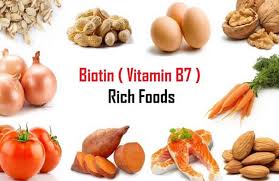
Biotin-rich foods include:
-
Legumes (peas, lentils)
-
Sunflower seeds and sunflower butter
-
Vegetables like carrots, mushrooms, and cauliflower
-
Cooked eggs (especially yolks)
-
Organ meats (liver, kidney)
-
Dairy (milk, cheese, yogurt)
-
Whole grains (barley, corn)
-
Seafood
Keep in mind that processing and cooking can reduce biotin levels, so aim to eat these foods in their whole, unprocessed forms when possible.
Biotin Supplements
Biotin is widely available as a standalone supplement or as part of multivitamins. Common doses include 10, 50, or 100 mcg.
Always consult your doctor before starting a supplement, especially if you take other medications. While rare, biotin supplements can interact with certain drugs or cause side effects when taken in excess.
Who’s at Higher Risk for Biotin Deficiency?
Some people may be more susceptible to developing a deficiency:
-
Individuals with biotinidase deficiency – An inherited condition affecting biotin recycling.
-
Pregnant women – Biotin supports fetal development, and deficiencies may raise the risk of birth defects.
-
People taking antibiotics or anti-seizure meds – These drugs can impair absorption or eliminate gut bacteria that help produce biotin.
-
Those receiving IV or tube feeding – Biotin supplements may be needed until regular food intake resumes.
Final Thoughts
Early symptoms of biotin deficiency can mimic other conditions, so keeping track of your symptoms and dietary habits can be incredibly helpful for your doctor.
Fortunately, a biotin deficiency is usually treatable. Whether through diet changes or short-term supplements, most people can restore healthy levels quickly. If initial treatments don’t help, further testing can identify deeper issues, such as digestive problems or genetic disorders.
Maintaining a balanced, nutrient-rich diet is the best way to prevent biotin deficiency and support your overall health.
Great article! I had no idea biotin deficiency could cause so many symptoms. Very helpful info on treatment options.
Thanks for breaking down the causes clearly. It’s good to know what to watch out for with biotin deficiency.
Informative read! The symptoms section really helped me understand what I’ve been experiencing lately. Appreciate the tips on treatment.