

Healthy eating is often perceived as a necessary burden — something we have to do rather than something we want to do.
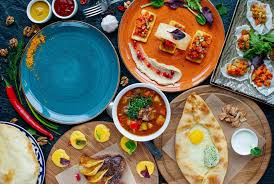
While it’s crucial for maintaining health, it can also feel restrictive, particularly when defined through a narrow, Eurocentric lens.
Even in the Caribbean, where I’m from, nutrition programs often mirror the American food pyramid, shaping how healthy eating is viewed within local communities.
But nutrition isn’t a rigid, one-size-fits-all guideline. Cultural and traditional foods deserve a respected place in the conversation about health and wellness.
In this article, I’ll highlight the value of cultural foods in building a healthy, inclusive diet.
What Are Cultural Foods?
Cultural foods — sometimes referred to as traditional meals — reflect the history, customs, and beliefs of particular regions, ethnicities, faiths, or cross-cultural groups.
These foods can be associated with specific preparation methods or symbolic meanings that express cultural identity.
Passed down from generation to generation, cultural dishes serve as a vital link to heritage.
They can represent geographic regions, such as pasta and tomato sauce in Italy or kimchi and seaweed dishes in parts of Asia. In the Caribbean, many meals are a blend of West African and East Indian influences, shaped by the region’s colonial history.
Cultural foods also play an important role in religious rituals and are often central to social bonding and family traditions.
Cultural Dishes Belong in Mainstream Nutrition
Cultural cuisine is a legitimate part of healthy eating — yet this reality is often overlooked in official dietary messaging.
The USDA’s Dietary Guidelines for Americans recognizes the importance of cultural foodways and advises adapting nutrition advice to individual backgrounds and traditions. Similarly, the Canadian Food Guide promotes the idea that culture and tradition are key components of healthy eating.
Despite these efforts, the nutrition field still struggles with cultural inclusivity. Cultural competence — the ability to provide unbiased, respectful care across cultures — is still lacking in many health systems.
During my dietetics training, cultural food practices were acknowledged, but rarely integrated into practice. There were few resources available for healthcare professionals to engage with culturally diverse clients in a meaningful way.
What Does It Mean to Eat Healthy?
Healthy eating typically refers to consuming a mix of food groups — protein, dairy, grains, fruits, and vegetables — all of which supply essential nutrients to support overall health.
In the U.S., the USDA’s MyPlate model recommends that a healthy plate should consist of half non-starchy vegetables, a quarter protein, and a quarter grains.
In the Caribbean, the approach is slightly different. There, the standard includes six food categories: staples (like root vegetables and grains), legumes, fruits, vegetables, animal-based foods, and fats/oils.
Many traditional Caribbean meals, especially one-pot dishes, combine multiple food groups in one pot, making them difficult to break down into sections on a plate.
Take oil down, for instance — a classic Caribbean dish made with breadfruit (a starchy staple), leafy greens, and meats like chicken or pork. This type of meal combines several essential food groups into one satisfying and nutritious dish.
Healthy Eating Is More Diverse Than Social Media Suggests
Many of our food preferences are shaped by advertising — which often promotes a narrow, Eurocentric view of health.
Search for “healthy eating” online and you’ll find a flood of photos featuring asparagus, quinoa, and salmon — usually served by or to white families.
This kind of representation implies that traditional, non-Western foods are somehow less healthy or valid.
But true healthy eating doesn’t have a single look, ethnic identity, or set of ingredients. It’s a flexible concept rooted in balance and variety.
Consider these comparisons:
-
Kale is nutrient-rich, but so are spinach and dasheen bush (taro leaves).
-
Quinoa is a great source of fiber and protein, but rice and beans provide similar benefits.
-
Chicken breast is low in fat, but so are other cuts of chicken with the skin removed — and these may offer more iron.
-
Atlantic salmon is full of healthy fats, but sardines and other local fish varieties can be just as nutritious.
You don’t need access to quinoa, kale, or Western fish varieties to eat well. Traditional foods can be just as beneficial — sometimes even more so — when prepared in health-conscious ways.
Why Cultural Foods Matter
Traditional dishes and food customs offer more than just nutrition. They help people stay connected to their roots, foster community, and enhance shared experiences.
These cultural meals are also important for dietary adherence and long-term wellness. You’re more likely to stick to a healthy eating plan if it includes familiar, meaningful foods.
When my mom teaches me to cook oil down — a blend of breadfruit, taro leaves, pumpkin, coconut milk, and smoked meats — it’s more than just a recipe. It’s a living memory, linking us to West African food traditions while creating new family moments.
Likewise, I honor my East Indian heritage every time I prepare dishes like dhal (split peas) with turmeric and other spices. These meals are rich in fiber, plant protein, and vegetables — and they challenge the idea that health must look Western.
How Culture Shapes Our Diets
Your cultural background influences what you eat, how you eat, and how you view health and wellness.
Studies show that our beliefs about which foods are acceptable, healthy, or even edible are shaped by culture. This includes how willing we are to try unfamiliar foods.
For example, in the United States, dinner is usually the largest meal of the day. But in Caribbean culture, lunch is often heavier, and dinner is a lighter, breakfast-style meal.
If nutrition counseling fails to consider these cultural nuances, it may feel out of touch — and people may tune out. This can damage trust, worsen health outcomes, and deepen health inequities.
Effective nutrition advice must be culturally responsive, respectful, and inclusive.
Where Do We Go From Here?
It’s time to recognize that cultural foods can — and do — support healthy eating patterns, even if they aren’t widely promoted on health blogs or social media.
These foods nourish the body and soul for millions of families around the world, including both immigrants and long-established communities.
Cultural dishes naturally combine several food groups and offer a wide range of essential nutrients. For example:
-
Ugali – a cornmeal dish from Tanzania, often served with vegetables and meats
-
Ema datshi – a spicy Bhutanese stew with cheese, vegetables, and potatoes
-
Kalua pork – a Hawaiian delicacy often paired with fish, eggplant, or taro
-
Schäufele – a German pork roast served with dumplings and sauerkraut
-
Pelau – a Caribbean favorite made with chicken, rice, pigeon peas, vegetables, and local herbs
Final Thoughts
Healthy eating is about nourishing your body with a variety of nutrient-dense foods — not about following a specific cultural model or aesthetic.
While American and Canadian guidelines acknowledge the importance of culture in food choices, practical nutrition advice still often falls short of being inclusive.
By embracing cultural foods in our definition of health, we honor tradition, improve dietary compliance, and make health more accessible to all.
Love how this highlights the delicious ways culture influences healthy eating habits!
It’s great to see traditional foods being celebrated for their health benefits.
Cultural cuisine offers so many nutritious options—thanks for sharing these insights!