

Protein is crucial for a healthy diet, but consuming it beyond what the body needs doesn’t necessarily bring extra benefits. In fact, the health effects can vary greatly depending on the source of the protein.
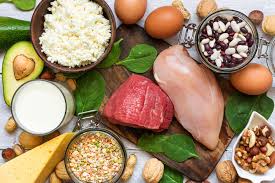
Protein is often marketed as the cornerstone of a healthy lifestyle, especially in fitness circles and muscle-building communities.
This narrative, sometimes referred to as “protein propaganda,” suggests that consuming more protein automatically leads to better health, increased strength, and improved performance.
While protein is indeed vital for muscle repair, immune function, and overall health, the assumption that more is always better, regardless of the source, isn’t backed by scientific evidence. Here’s what the research actually shows.
Health Risks of Excessive Protein Intake
Protein is essential for repairing tissues, producing enzymes and hormones, and supporting immune health. However, the notion that consuming more protein directly leads to more muscle or better overall health is an oversimplification.
Research indicates that an excessive intake of protein may not provide additional benefits and could even lead to some negative health effects, particularly if intake exceeds what the body can effectively use.
Strain on the Kidneys
When you consume more protein than your body requires—especially over 2 grams per kilogram of body weight per day (for example, more than 140 grams for someone weighing 70 kg or 154 pounds)—your kidneys have to work harder to filter and expel the extra waste from protein breakdown.
Over time, this added strain could cause kidney damage, particularly if you already have existing kidney issues or are at a higher risk due to conditions like diabetes or high blood pressure.
This is a particular concern for those using high amounts of protein supplements. A 2023 study linked excessive protein supplement intake to greater kidney stress, which could increase the risk of chronic kidney disease over time.
Limited Use for Building Muscle
Your body can only use around 0.4 grams of protein per kilogram of body weight per meal for muscle growth. For someone weighing 70 kg (154 pounds), that’s roughly 28 grams of protein per meal.
Consuming more than this amount won’t necessarily result in more muscle. Instead, the excess protein is either used as energy or eliminated as waste. Distributing protein intake across multiple meals throughout the day helps your body use it more effectively for muscle-building purposes.
Potential Nutrient Imbalance
If you’re overly focused on consuming large amounts of protein, you may miss out on other essential nutrients that support overall health, such as fruits, vegetables, whole grains, and healthy fats. These foods are rich in fiber, vitamins, and minerals that your body needs to function properly.
Digestive and Gut Health Issues
High-protein diets, especially those rich in animal-based sources, can disrupt the balance of bacteria in your gut. This imbalance can affect digestion and potentially lead to inflammation or other long-term health problems. Getting more protein from plant-based foods may be more beneficial for your gut health.
Consuming large amounts of animal-based protein, particularly from meat, can alter the gut microbiome, which may increase the risk of digestive issues and inflammatory conditions like inflammatory bowel disease (IBD).
While some animal proteins, such as dairy, may offer protective effects, excessive meat consumption has been associated with a higher risk of gut-related inflammation.
Overall, focusing too heavily on animal-based proteins may upset gut health, highlighting the importance of a diverse diet that includes various protein sources.
Understanding Your Protein Needs
Determining the optimal amount of protein depends on several factors:
-
Activity Level: Highly active individuals or those involved in intense exercise may require more protein to support muscle repair and growth.
-
Age: Older adults may need higher protein intake to prevent muscle loss associated with aging.
-
Health Goals: Those aiming for weight loss may benefit from higher protein intake to promote satiety and preserve lean muscle mass.
-
Body Composition: People with more muscle mass may need additional protein to maintain and build muscle.
-
Training Intensity: Athletes or individuals following intense training regimens often have higher protein requirements for muscle recovery and growth.
For most people, meeting the recommended protein intake through a well-rounded diet is sufficient to support health and fitness goals.
Key Considerations for Protein Consumption
When considering your protein intake, keep in mind the following:
-
Nutrient Balance: Protein should be measured in precise amounts, such as 30 grams per meal, for better accuracy.
-
Quality vs. Quantity: The source of protein matters just as much as the amount. Whole food sources like lean meats, fish, eggs, dairy, legumes, and nuts provide a variety of other nutrients that benefit overall health.
-
Individual Differences: Your specific protein needs depend on factors like age, weight, and activity level.
-
Timing: The timing of protein intake can impact its effectiveness for muscle recovery and growth. Distributing protein consumption evenly throughout the day may be more beneficial than consuming large amounts in one sitting.
Conclusion
While protein is undeniably essential for muscle recovery, health, and overall well-being, research doesn’t support the notion that more protein is always better.
Excessive protein intake—especially from meat and supplements—can lead to health risks like kidney strain, digestive issues, and nutrient imbalances. A balanced approach that prioritizes the quality and variety of protein sources, rather than simply increasing the quantity, is key to supporting long-term health.
Consulting with a healthcare provider or registered dietitian can help you determine the ideal amount of protein for your individual needs. Instead of focusing solely on the question of whether more protein is better, it’s more important to ask: What is the right amount of protein for my unique body and goals?
Great article! I’ve always been told to load up on protein, especially with my workouts, but I didn’t realize there’s a point where it might not be as beneficial. I’m going to start paying more attention to my balance of macronutrients rather than just focusing on protein. Thanks for the insights!
I’ve been trying to eat more protein, but I’ve also been wondering if it’s really necessary. This post cleared up a lot for me! I didn’t know that too much protein could strain your kidneys or cause other issues. Moderation seems key here, just like with anything else.
Interesting read! I’ve been hearing a lot about protein recently, especially with the rise of high-protein diets. It’s good to know that more isn’t always better. I’ll definitely take a more balanced approach moving forward and make sure I’m not overdoing it.