

A new scientific study suggests that a simple act — boiling your tap water — may significantly reduce your exposure to microplastics.
Researchers are only beginning to uncover the potential health risks linked to microplastic exposure, but early evidence shows these tiny plastic particles can build up in the body and may be linked to oxidative stress, inflammation, liver issues, insulin resistance, and gut health disturbances.
Microplastics and nanoplastics — defined as plastic fragments as small as one-thousandth of a millimeter — have been found in a wide range of consumer goods and even in municipal tap water.
Now, findings published on February 28 in Environmental Science & Technology Letters indicate that boiling mineral-rich tap water for just five minutes can reduce microplastic content by as much as 90%.
Boiling as a Simple Method to Reduce Microplastics
While some advanced water filtration technologies can remove nano- and microplastics (NMPs) from drinking water, they are often costly and not accessible worldwide. Researchers therefore explored more practical solutions for improving water quality, especially in resource-limited regions.
Their results point to boiling as an effective method for reducing NMP exposure.
“Boiling water before drinking is an age-old tradition — and here, it proves useful once again,” said Dr. Luz Claudio, a professor of environmental medicine and public health at Mount Sinai, who was not involved in the study.
How Boiling Water Removes Plastic Particles
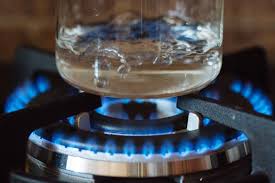
To conduct the study, scientists collected several tap water samples from Guangzhou, China, and artificially introduced varying levels of microplastic contamination. Each sample was boiled for five minutes and then allowed to cool for 10 minutes.
The team discovered that boiling mineral-rich (hard) water caused the formation of calcium carbonate (CaCO₃) — the same chalky substance known as limescale. This mineral buildup was found to trap plastic particles.
By removing the solid residue using a basic coffee filter or stainless steel mesh, they were able to remove a substantial portion of microplastics.
The results were most striking in harder water: Samples with 300 mg of calcium carbonate saw nearly 90% of the microplastics removed. In contrast, softer water with less than 60 mg of CaCO₃ showed only a 25% reduction.
“The hardness of water is directly tied to how many solid minerals form during boiling — and that, in turn, determines how many plastics get trapped,” explained Dr. Anja Brandon, associate director of U.S. plastics policy at Ocean Conservancy, who was not part of the research.
Why Microplastics Are Common in Tap Water
Plastics like polyethylene (PE), polystyrene (PS), polypropylene (PP), and polyethylene terephthalate (PET) have made their way into natural water systems due to runoff and wastewater discharge.
Claudio notes that it’s difficult to study microplastics’ health effects due to the sheer variety of plastic types and the multiple exposure pathways people encounter daily.
While much remains unknown, current studies have shown that ingesting or inhaling microplastics may disrupt normal cell function, trigger inflammation, and impact gut bacteria. One of the clearest short-term effects may be disturbances to the gut microbiome.
Most municipal water treatment plants are not equipped to fully remove microplastics. And although high-end filtration systems exist, they are largely unavailable in developing regions.
Brandon noted that microplastic contamination has been detected in nearly all types of drinking water globally. According to the study, boiling water can lower the intake of these plastics by two to five times, depending on regional water quality.
However, many households use filtration systems that soften hard water — which could, ironically, reduce the effectiveness of boiling to remove plastics.
Tips to Reduce Microplastic Exposure from Water
If you’re planning to boil your water to reduce plastic content, experts recommend using a stainless steel or glass pot. Boil for about five minutes, allow it to cool undisturbed, and avoid stirring. This helps microplastics bind with minerals and settle at the bottom, making it easier to filter them out.
Still, boiling water isn’t a cure-all. Microplastics are found in many other sources — from air to food packaging — and exposure is ongoing.
To reduce your intake more broadly, Brandon suggests avoiding single-use plastic products, steering clear of plastic cookware and utensils, and not microwaving food in plastic containers or placing them in dishwashers, as heat can release plastic particles.
“These everyday items can shed plastic or leach chemicals with prolonged use,” Brandon said.
In Summary
New research suggests boiling and filtering tap water can significantly reduce your exposure to microplastics — potentially cutting levels by up to 90% in mineral-rich water.
Although scientists are still uncovering the full health implications of microplastics, current findings link them to a range of health concerns, including inflammation, oxidative stress, gut imbalance, and organ damage.
Boiling water is a practical and low-cost method that could help limit your exposure, especially in areas where advanced filtration systems are unavailable — and it’s a step worth considering for both personal health and environmental sustainability.