

Eating healthier starts with small, manageable changes. Aim to include nutrient-packed foods in every meal or snack and try to limit processed foods.
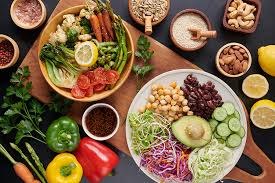
Healthy eating doesn’t need to be complicated. You can nourish your body while still enjoying the foods you love. Food should be something you enjoy—not something to fear, count, weigh, or track obsessively.
Keep reading to discover what healthy eating really means and how you can make it work for your lifestyle.
Why Does Healthy Eating Matter?
Food is your body’s fuel, providing the calories and nutrients needed to function properly. If your diet lacks calories or certain nutrients, your health can suffer.
Eating too many calories may lead to weight gain, and obesity significantly increases the risk of:
-
Type 2 diabetes
-
Obstructive sleep apnea
-
Heart disease
-
Liver disease
-
Kidney disease
Beyond calories, the quality of your diet influences your risk for diseases, lifespan, and mental wellbeing.
ResearchTrusted Source links diets high in ultra-processed foods with higher mortality ratesTrusted Source.
Studies also show that ultra-processed foods are associated with a greater risk of cancer and heart disease.
Conversely, diets focused on whole, nutrient-rich foods—like the Mediterranean diet—are tied to longer life and protection against diseaseTrusted Source.
Highly processed diets may also increase depressive symptoms, especially in those who get less physical activity.
If you currently eat a lot of ultra-processed foods and fewer whole foods like veggies, nuts, and fish, you might not be getting enough essential nutrients, which can hurt your overall health.
Do You Need to Follow a Specific Diet to Eat Healthy?
While some individuals need or choose special diets for health reasons, you don’t have to stick to a specific diet to feel your best.
“Healthy eating” simply means nourishing your body mostly with nutritious foods.
What that looks like varies from person to person depending on location, budget, culture, and preferences.
Healthy Eating Basics
Focus on Nutrient Density
Calories matter, but nutrients are what truly fuel your body. Nutrients include protein, carbs, fats, vitamins, and minerals.
“Nutrient density” measures how many nutrients a food provides relative to its calorie content.
All foods contain calories, but not all are nutrient-dense.
For example, egg whites are lower in calories and fat than whole eggs but contain far fewer vitamins and minerals. Whole eggs provide a richer nutrient profile.
Many fruits and vegetables are low in calories but rich in nutrients, while foods like nuts, Greek yogurt, egg yolks, avocado, and fatty fish are calorie-dense but highly nutritious.
High-calorie foods aren’t necessarily unhealthy, and low-calorie foods aren’t always good choices.
As a general rule, focus on foods rich in protein, fiber, healthy fats, vitamins, and minerals—think veggies, fruits, nuts, seeds, beans, fatty fish, and eggs.
Embrace Diet Diversity
Eating a variety of foods supports:
-
Healthy gut bacteria
-
Maintaining a healthy weight
-
LongevityTrusted Source
-
Protection from chronic diseases
If you’re a picky eater, try introducing new foods gradually—add a favorite vegetable to a meal or two daily, and build from there.
Repeated exposure increases your chances of enjoying new foods over time.
Balance Your Macronutrients
Your meals and snacks should generally include a balance of carbohydrates, fats, and proteins. (Fiber is a type of carbohydrate.)
Adding protein and fat to fiber-rich carbs makes meals more satisfying and flavorful.
For example, pairing fruit with nut butter or cheese keeps you fuller than eating fruit alone.
That said, your diet doesn’t have to be perfectly balanced every time.
Counting macros is unnecessary for most people unless you’re an athlete, aiming for specific body goals, or need to gain muscle or weight for medical reasons.
Obsessing over macros can lead to unhealthy fixations or disordered eating.
Some people do well on low-carb, high-fat/protein diets or vice versa—but even then, macro counting usually isn’t needed.
If a low-carb diet suits you, just choose more low-carb foods like non-starchy veggies, proteins, and fats regularly.
Cut Back on Highly Processed Foods
Reducing ultra-processed foods is one of the easiest ways to improve your diet.
You don’t need to avoid all processed foods—many healthy options like shelled nuts, canned beans, and frozen fruits and vegetables are processed.
Highly processed foods like soda, mass-produced baked goods, candy, sugary cereals, and certain boxed snacks contain little to no whole food ingredients.
Making Healthy Eating Fit Your Life
Start by prioritizing food. This doesn’t mean hours in the kitchen, but it does require some effort and planning.
Regular grocery shopping helps keep your fridge and pantry stocked with healthy options, making meal choices easier.
When shopping, fill your cart with:
-
Fresh and frozen fruits and vegetables
-
Protein sources like chicken, eggs, fish, and tofu
-
Bulk carbohydrates such as canned beans and whole grains
-
Starchy vegetables like potatoes, sweet potatoes, and squash
-
Healthy fats like avocados, olive oil, and full-fat yogurt
-
Simple, nutritious snacks like nuts, seeds, nut butter, hummus, olives, and dried fruit
If cooking or shopping is new to you, start small. Pick one or two meals to prepare and shop for those ingredients first.
Once comfortable, gradually add more meals until you can shop for a full week in one trip.
Building a Healthy Relationship with Food
Developing a positive relationship with food requires the right tools.
Working with professionals like registered dietitians or psychologists specializing in eating disorders is the best approach.
Avoid restrictive diets, fad trends, or “getting back on track” mentalities—they can harm your relationship with food.
This process can take time but is crucial for your physical and mental wellbeing.
Extra Tips for Healthy Eating
-
Cook at home. Home cooking diversifies your diet. If you eat out often, try making one or two home-cooked meals per week to start.
-
Focus on progress, not perfection. If you currently eat out daily, cooking one veggie-packed meal weekly is a great start.
-
Forget “cheat days.” The concept of cheating shows a broken relationship with food. Every food can fit into a healthy diet—no cheating required.
-
Stay hydrated. Water is the best choice. If plain water is boring, add fruit slices or lemon, and use a reusable bottle.
-
Respect your tastes. If you dislike a food after trying it several times, don’t force it—there are plenty of healthy alternatives.
If you want personalized advice, consider working with a registered dietitian. They can help create a sustainable, nutritious plan that fits your life.
The Bottom Line
Healthy eating looks different for everyone, but most balanced diets are rich in nutrient-dense foods, limit highly processed items, and include satisfying meals and snacks.
For tailored guidance, consult a qualified dietitian.